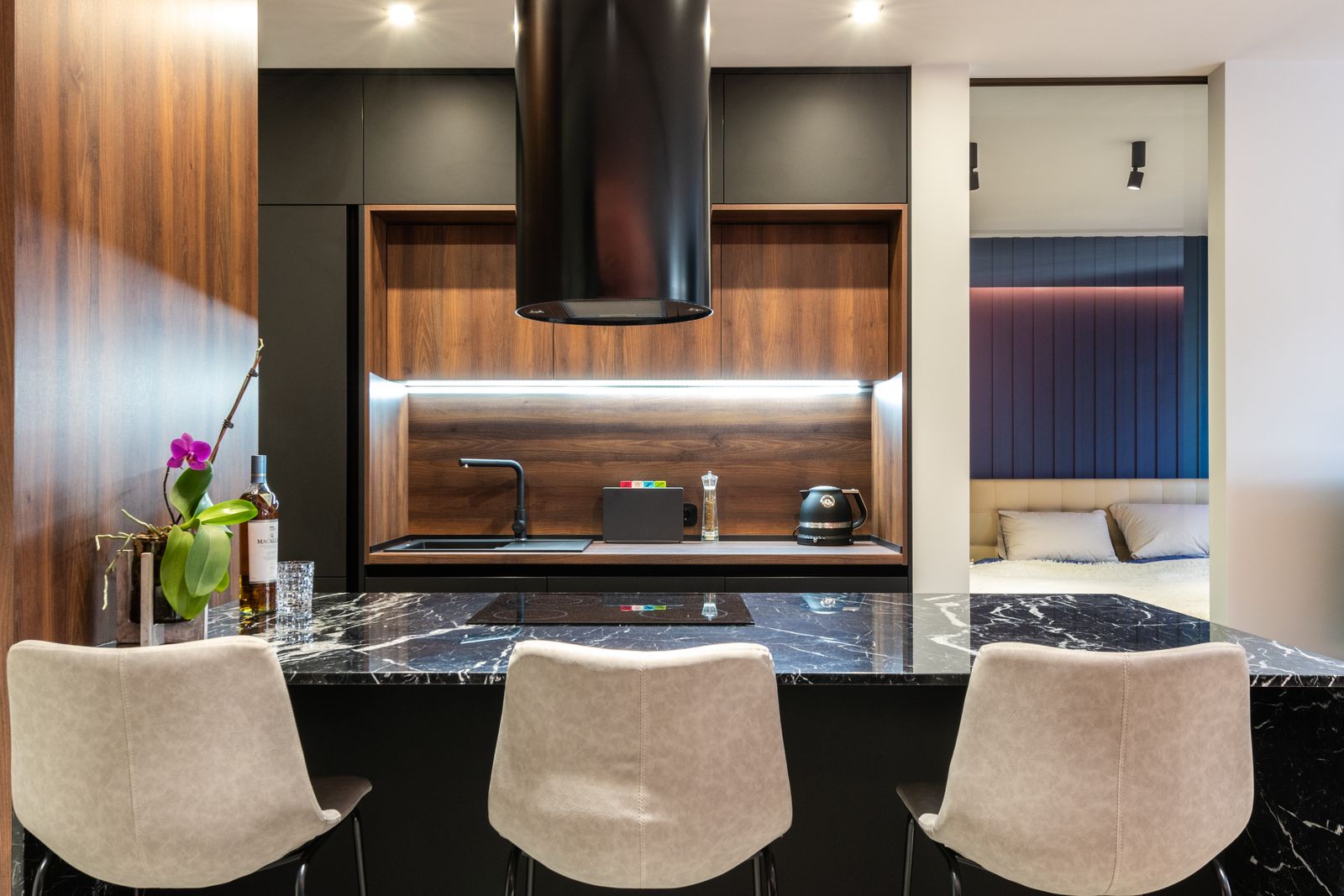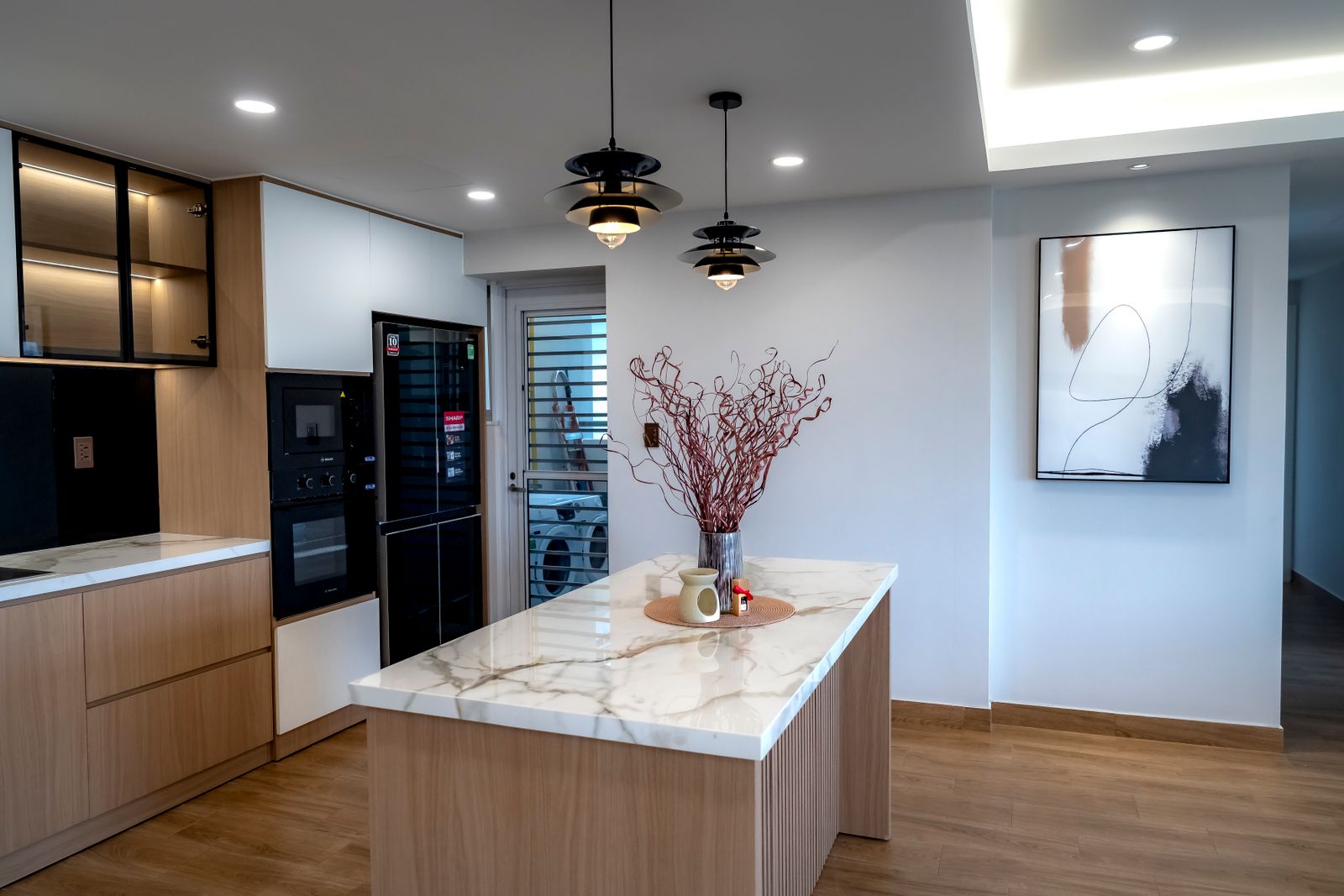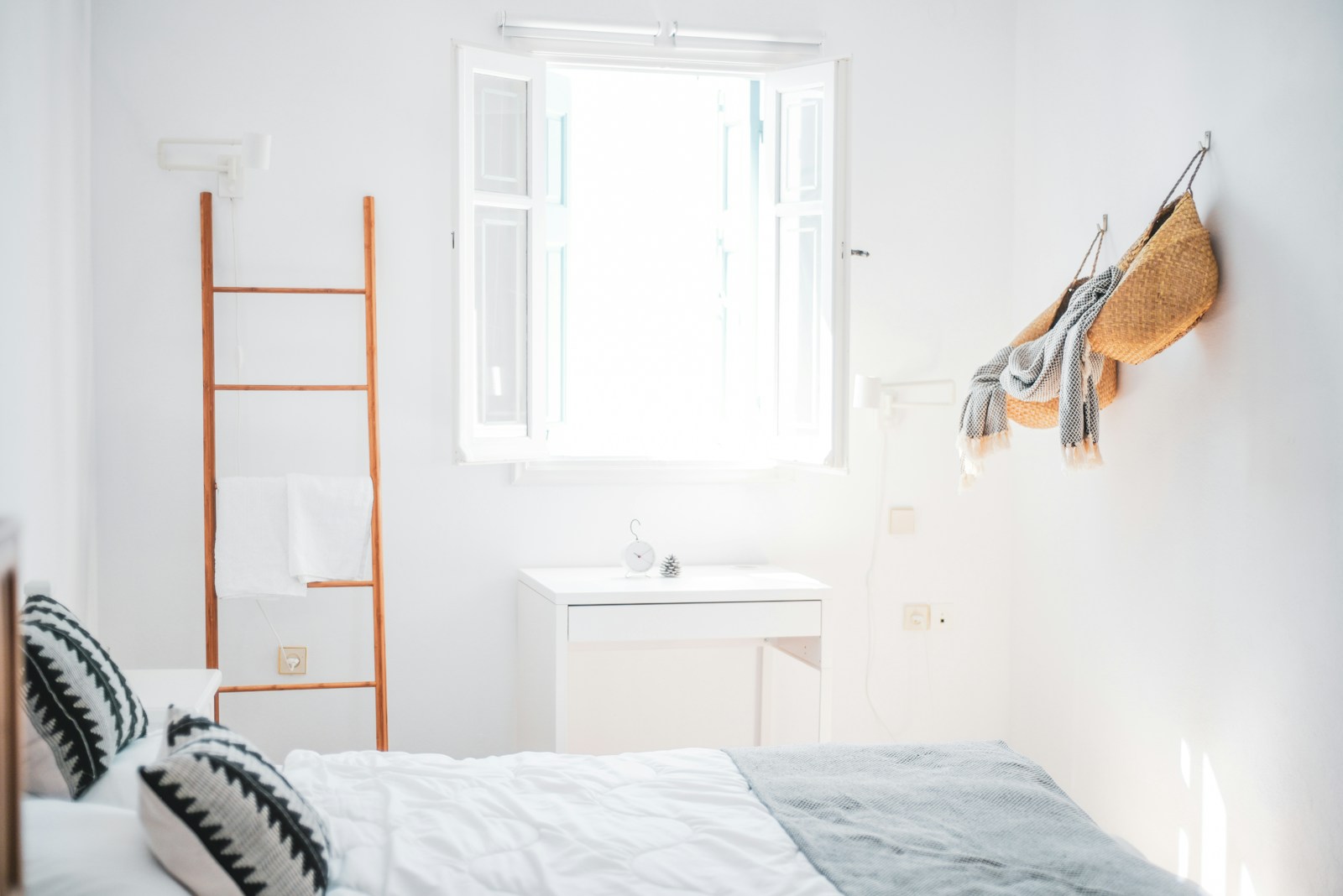
Preparing your home for the market is one of the highest-leverage investments you can make before listing. A well-prepped home sells faster, attracts more confident buyers, and often commands a stronger price. The work you do now directly influences buyer perception, online engagement, and final negotiating power.
Why Pre-Listing Prep Matters
Before we get into the checklist, let's talk about why this work is worth the time and effort. Most buyers begin their search online — they see your home first through photographs, virtual tours, and property descriptions. That digital first impression determines whether they request a showing. During a physical showing, cleanliness, maintenance, and visual appeal either build confidence or create doubt.
In the current balanced GTA market (as of mid-2026), with approximately 4.1 months of inventory and homes spending an average of 42 days on the market, you're competing with other well-presented properties. Buyers have meaningful choices. The homes that stand out — clean, well-maintained, thoughtfully presented — move faster and attract stronger offers.
Declutter & Depersonalise
Before any other work begins, remove the layer of clutter and personal identity that obscures the home's bones.
Declutter: Less is More
Walk through your home and imagine seeing it for the first time. That stack of magazines on the side table, the coat rack by the door, the basket of toys in the corner — these things are invisible to you after months of living there, but they occupy visual space that could communicate emptiness and flow.
What to do:
Remove 25–30% of visible items from each room. Nightstands, kitchen counters, shelving, closets, and drawers should feel intentional and sparse.
Pack away seasonal items, hobby collections, and everyday clutter.
Clean out closets and storage — buyers often open them. Packed closets signal limited storage; organised, mostly empty closets signal abundance.
Donate, sell, or store items you don't regularly use. Staging companies often recommend treating this as a pre-move: sort as if you're already leaving.
Depersonalise: Let Buyers See Themselves
Your family photos, children's artwork, religious items, and highly personal collections are warm and meaningful to you — but they anchor the home in your life, not the buyer's imagined future there.
What to do:
Remove all family photographs from walls, mantels, nightstands, and dressers. Replace with a few framed prints or leave walls clean.
Take down children's artwork and bedroom posters. Repaint or leave walls neutral.
Box up collections (sports memorabilia, figurines, model trains) that reflect hobbies specific to your family.
Tone down highly specific décor (retro kitsch, religious items, political posters). Neutral doesn't mean bland — a few well-chosen, timeless pieces work better than items that scream "this is the Johnson family's home."
Remove or significantly reduce personal scent markers: heavily scented candles, air fresheners, pet odours. A clean, neutral smell is ideal.
Repairs & Maintenance: Address the Small Things
Buyers notice what's broken. A dripping faucet, loose door handle, or cracked wall caulking sends a subconscious signal: This seller hasn't maintained this property; what else is wrong that I can't see?
The goal is not perfection — it's the absence of obvious neglect.
Priority Repairs
Bathroom:
Repair or replace leaking or dripping faucets.
Recaulk the tub and shower if caulk is cracked, mouldy, or discoloured.
Replace damaged or loose tiles.
Fix squeaky hinges and ensure cabinet doors close smoothly.
Kitchen:
Repair or replace leaking faucets.
Ensure all appliances are functional (if you're leaving them).
Caulk gaps around the backsplash.
Touch up or paint over marked cabinet fronts.
Doors & Hardware:
Tighten loose door knobs and handles.
Oil squeaky hinges.
Fix or replace broken latches.
Ensure exterior doors open and close smoothly without sticking.
Walls & Trim:
Patch nail holes and small dents with spackle and sand smooth.
Touch up scuffed trim and baseboards with white or matching paint.
Recaulk corners where walls meet trim if gaps are visible.
Flooring:
Replace obviously damaged floor boards or tiles (not a full renovation, but visible damage should go).
Ensure no loose tiles, floorboards, or staples.
Fix or replace missing grout lines in bathrooms and kitchens.
Structural & Safety:
Test all light switches and replace any that don't work.
Replace burned-out bulbs — ensure all fixtures are lit during showings.
Check that all outlets work (testers are inexpensive).
Repair loose railings or bannisters.
Ensure exterior steps and porch are safe and not cracked.
HVAC & Systems:
Have your furnace/AC serviced if it's more than a few years old. A clean filter and a passing inspection signal good maintenance.
Ensure toilets flush properly and don't run continuously.
Cost Perspective
Repair costs vary widely depending on property size, age, and specific issues. Rather than fabricate a budget, consult with your REALTOR® to identify which repairs are worth addressing (high-impact, low-cost fixes) and which can be left for a buyer's negotiation. In a balanced market, addressing small, obvious deferred maintenance can prevent a buyer from demanding a price reduction later.
Deep Clean & Curb Appeal
A property that is visibly, noticeably clean outperforms one that is merely tidy. Professional cleaning is often worth the cost.
Deep Clean
Inside:
Hire a professional cleaning service to deep clean the entire home: carpets shampooed or power cleaned, tile and grout cleaned and sealed if necessary, windows inside and out, mirrors streak-free, baseboards dusted and wiped, light fixtures cleaned, ceiling corners cleared of cobwebs, kitchen appliances cleaned inside and out (oven, microwave, refrigerator coils), bathroom fixtures polished.
Launder or professionally clean all curtains, blinds, and fabric window treatments.
Shampoo or professionally clean upholstered furniture if it will remain in staging photographs.
Air out the home thoroughly after cleaning — open windows to eliminate any closed-house smell.
Outside:
Power wash the driveway, front walk, and patio if applicable.
Pressure wash the siding or exterior walls if safe to do so (or hire someone).
Clean windows inside and out, including sliding glass doors.
Clean out gutters and downspouts.
Curb Appeal: The First Impression
Most buyers form an emotional impression of your home before they step inside. They see the front door, the lawn, the overall condition, the way the house sits on the lot.
Landscape & Lawn:
Mow and edge the lawn. It should look maintained and healthy.
Trim overgrown shrubs and trees. Remove dead branches.
Edge garden beds so they look intentional and cared-for.
Add fresh mulch to garden beds if it's worn or uneven.
If the lawn is patchy or thin in places, consider having it aerated and overseeded in spring/early summer (but not so close to showing that it looks worse before it improves).
Front Door & Entry:
Paint the front door a neutral, inviting colour (black, white, or soft grey are safe choices) if it's scuffed or dated.
Replace or update house numbers if they're hard to read or outdated.
Ensure the door hardware shines — replace it if it's corroded or broken.
Clear the front step and landing of clutter. Sweep and power wash.
Add potted seasonal flowers or a tasteful planter on either side of the door.
Exterior Condition:
Repair or paint any loose or peeling siding or trim.
Replace missing or broken exterior light fixtures, or at minimum ensure bulbs are bright and functional.
Check that exterior gates, fences, and railings are in good repair.
Clear leaves, debris, and cobwebs from eaves, corners, and the foundation.
Parking & Driveway:
Ensure the driveway is clear, clean, and crack-free if possible (small cracks are acceptable; large potholes or major damage should be repaired).
Clear the street in front so potential buyers can park easily.
Overall Feel:
Step back and look at your home from the street. Does it look well-maintained? Inviting? Would you stop and look if you were house-hunting?
Professional Photography: Why It Matters on the MLS®
The vast majority of buyers start their search online. Your listing's first photos are your only chance to capture attention and convince a buyer to request a showing.
Why Professional Photography Counts
Professional real estate photographers use high-end equipment, wide-angle lenses, professional lighting, and post-processing expertise to showcase your home in its best light. A professionally photographed home generates significantly more online views than one shot with a smartphone. If buyers don't click in to view your listing, no matter how beautiful the property, you've lost the opportunity to show it.
What to Include
Exterior shots: Wide-angle photo of the home's front facade in natural light (mid-morning or early afternoon is ideal); the entrance; side and rear views if the property is attractive.
Main living spaces: Living room, kitchen, dining room — shot to emphasise flow, light, and space.
Bedrooms: Primary bedroom and secondary bedrooms — wide-angle to show size and natural light.
Bathrooms: Master bathroom and ensuite if applicable.
Special features: If you have a finished basement, home office, bonus room, deck, or pool, these should be included.
Neighbourhood/lot context: Exterior shots showing the lot size, landscaping, and how the home sits in the neighbourhood.
Additional: Virtual Tour & Video
Many buyers now expect a virtual tour (3D walkthrough) or listing video. These are increasingly standard and worth budgeting for — they reduce the number of showings required to find serious buyers (because unserious buyers can self-select out) and allow out-of-town or busy buyers to preview the home thoroughly.
Should You Get a Pre-Listing Inspection?
A pre-listing home inspection is optional, but it's a strategic tool worth considering.
The Pros
Proactive discovery: You learn about issues before a buyer's inspector finds them. If a major issue is discovered during a buyer's inspection, it often triggers a renegotiation and delays the sale.
Pricing confidence: Knowing the true condition of the property gives you and your REALTOR® confidence in pricing. You're not guessing at what repairs a buyer might demand.
Competitive advantage: A pre-listing inspection report (provided to buyers upfront) signals transparency and honesty. It can differentiate your listing in a competitive market.
Reduced negotiation risk: If you address issues found in a pre-listing inspection, buyers can't use those same issues to demand price reductions later.
The Cons
Cost: A home inspection has an upfront cost that varies by property size and location — consult your REALTOR® for a realistic estimate in your area.
Disclosure obligation: In Ontario, once you have an inspection report, you're generally expected to disclose material defects. You can't "un-know" something. (Consult your REALTOR® and legal advisor on disclosure requirements in your province.)
Negotiating ammunition: Handing a buyer an inspection report (even one you commissioned) gives them a documented list of issues to negotiate from.
Doesn't replace buyer's inspection: A buyer will still order their own inspection. A pre-listing report is supplementary, not a substitute.
Should You Do It?
If your home is older (pre-1980s), has deferred maintenance, or you're uncertain about major systems (roof, foundation, electrical), a pre-listing inspection can be worthwhile. For newer homes in good condition, it's less critical. Discuss with your REALTOR® — they may recommend it based on the property and neighbourhood.
A Realistic Prep Timeline
How much time should you allocate to preparing your home? It depends on the property's current condition, but here's a general framework:
Good condition (minimal work needed): 2–4 weeks
Declutter and depersonalise: 1–2 weeks
Deep clean: 1 week (or 1–2 days if you hire professionals)
Professional photography: 1 day
Finalise staging: a few days before the listing goes live
Average condition (some repairs, deeper clean needed): 4–8 weeks
Identify repair priorities with your REALTOR®: 1 week
Complete repairs: 2–4 weeks (depends on complexity and contractor availability)
Deep clean: 1 week
Professional photography: 1 day
Staging: 1 week
Needs more work (significant deferred maintenance, cosmetic updates): 8–12 weeks
Assess and prioritise: 1 week
Major repairs (roof, foundation, electrical): 4–8 weeks
Painting, flooring, cosmetics: 2–4 weeks
Deep clean: 1 week
Professional photography: 1 day
Staging and final touches: 1–2 weeks
Ideal listing season: Late February or early March to capture spring buyers before inventory surges. If you're aiming for a March listing, start prep in January.
That said, a well-prepared home can sell successfully in any season. Don't delay a necessary sale to chase a "perfect" month — prepare thoroughly and list when the property is genuinely ready.
Frequently Asked Questions
What's the most impactful thing I can do to prepare?
A professional deep clean and freshly painted neutral walls are among the highest-ROI prep items. They're relatively affordable, highly visible, and signal care and cleanliness — the two things all buyers want to see.
Should I repaint my entire home?
No — but if walls are scuffed, marked, or a very strong colour, repainting in a neutral (white, soft grey, warm beige) can dramatically improve buyer perception. Focus on high-traffic areas: entryways, hallways, living spaces, and the primary bedroom. Bedrooms in neutral are a must.
Do I need to stage my home professionally?
Professional staging is not mandatory, but it's increasingly standard in competitive markets. At minimum, declutter heavily and ensure furniture is minimalist and well-placed. If you're selling a vacant property or one with very minimal furnishings, staging can help buyers visualise the space. Discuss with your REALTOR® based on your property and price point.
How long should pre-listing preparation take?
For most homes in average condition, 4–8 weeks is reasonable. If major repairs are needed, plan for 8–12 weeks. Don't rush — a thorough job outweighs speed.
Should I hire professionals (cleaners, stagers, photographers) or DIY?
Professional photography is worth the investment — it directly impacts online visibility. Professional deep cleaning is also highly recommended, as it saves time and achieves results most DIY efforts can't match. Staging can be a mix: hire a professional for consultation, then implement some recommendations yourself, or hire full-service staging depending on budget and need.
What repairs are worth doing before listing?
Focus on small, high-visibility items: dripping faucets, loose fixtures, scuffed walls, cracked caulking, dirty appliances, and overgrown landscaping. These communicate maintenance and care. Major repairs (roof, foundation, HVAC replacement) are less essential to do before listing — they often become part of a buyer's renegotiation anyway. Consult your REALTOR® on the best approach for your property.
Can I list before prep is complete?
In a slow market, listing early is sometimes a strategy (to capture early interest), but in the current balanced GTA market, a fully prepped home sells more efficiently. Buyers are discerning; incomplete prep signals opportunity for negotiation.
Who Is Inna Gold?
Inna Gold is a REALTOR® at RE/MAX Experts, specialising in helping GTA sellers navigate every step of the sales journey. With a focus on market knowledge, negotiation strength, and transparency, Inna guides her clients from pre-listing preparation through closing.
"I pride myself for being knowledgeable and invested in real estate; keeping up with market trends and having my clients' best interests at heart. I master negotiation and never push my clients beyond their comfort levels. Real estate is a true passion of mine. I want to help everyone find their dream home and have the best experience throughout the journey." — Inna Gold, REALTOR®, RE/MAX Experts
Inna Gold, REALTOR® RE/MAX Experts — 277 Cityview Blvd Unit 16, Vaughan, ON L4H 5A4 Cell: 416-500-0696 | Office: 905-499-8800 info@innagold.com | innagold.com
Seller Resources
Download Inna's Seller's Guide — Your complete resource for understanding the GTA seller's journey, from prep to closing.
Home Staging That Sells — Expert tips on staging your home to maximise buyer interest and perceived value.
How to Price Your Home in the GTA — A REALTOR®'s guide to competitive market analysis and pricing strategy in 2026.